freeman4u16
Funding is the single biggest obstacle standing between talented African students and a PhD. Tuition alone can run into tens of thousands of dollars a year at universities abroad, and that’s before factoring in living costs, health insurance, travel, and research expenses. The good news is that 2026 brings a wide range of fully funded and partially funded PhD scholarships specifically built for African students, spanning government programs, university-specific awards, and foundation-funded fellowships across nearly every region and field of study.
This guide breaks down the strongest PhD scholarships for African students in 2026, what each one covers, who qualifies, and how to put together an application that actually stands out.
Why PhD Funding Matters More Than Ever in 2026
Doctoral study is a multi-year commitment, often three to six years depending on the country and field. Without full funding, that timeline can quietly become unaffordable, which is why the strongest scholarships on this list aren’t just tuition waivers — they include a living stipend, health insurance, and in many cases a travel allowance. For African applicants specifically, a growing number of programs now build in mentorship, research training, and post-program career support, recognizing that funding alone isn’t always enough to complete a PhD successfully in an unfamiliar academic system.
It’s also worth noting how the funding landscape has shifted in recent years. More scholarship bodies are now building explicit pathways for African applicants rather than expecting them to compete solely within general international scholarship pools — the University of Edinburgh’s dedicated African Scholarships track and DAAD’s Sub-Saharan Africa-specific programs are good examples of this shift. That’s good news for applicants, since it means there are more entry points tailored to African academic backgrounds and research priorities than there were even five years ago.
With that context, here’s where the real opportunities are this year.
Fully Funded PhD Scholarships for African Students 2026
DAAD Scholarships (Germany)
The German Academic Exchange Service (DAAD) remains one of the most reliable funders of African doctoral study. DAAD scholarships for PhD candidates typically cover a monthly stipend of around 1,400 euros, along with health, accident, and personal liability insurance, and in many cases travel support. Programs are offered across virtually every academic discipline at partner universities throughout Germany, and DAAD’s Sub-Saharan Africa-focused In-Country/In-Region Scholarship Programme specifically funds African students studying within their home country or in another Sub-Saharan African country, supporting doctoral research in development-related and SDG-oriented fields.
Commonwealth PhD Scholarships (United Kingdom)
Commonwealth PhD Scholarships fund full-time doctoral study at UK universities for applicants from least-developed and vulnerable Commonwealth countries, as classified by the OECD Development Assistance Committee. The award is one of the most comprehensive on this list, generally covering tuition, a living stipend, airfare, and other study-related costs for the full length of the doctoral program, making it especially valuable for applicants from lower-income Commonwealth countries in Africa.
Rhodes Scholarship (Including the West Africa Track)
The Rhodes Scholarship remains one of the most prestigious postgraduate awards in the world, funding full-time study at the University of Oxford. Alongside the general Rhodes Scholarship, a dedicated West Africa track offers three scholarships annually to applicants from Benin, Burkina Faso, Cabo Verde, Gambia, Ghana, Guinea, and other West African nations, run in conjunction with the Oxford-Morland-West Africa Graduate Scholarship. Selection is merit-based and highly competitive, weighing academic excellence alongside leadership and character.
Mastercard Foundation Scholars Program
The Mastercard Foundation Scholars Program funds undergraduate, master’s, and PhD study for economically marginalized African students who demonstrate strong academic potential and a clear commitment to giving back to their communities. The program is hosted at multiple partner universities worldwide, and doctoral opportunities are periodically opened through specific partner institutions — for example, recent cycles have included doctoral scholarship recruitment through partner universities in Canada for students connected to the Africa Health Collaborative network. Because partner institutions and open cycles rotate, checking the Mastercard Foundation’s current partner list each year is essential.
Chinese Government Scholarship (CSC)
The Chinese Government Scholarship, administered through the China Scholarship Council, funds undergraduate, master’s, and PhD study at more than 280 Chinese universities. Doctoral awards typically cover tuition, accommodation, basic health insurance, and a monthly stipend. Related programs, such as the ANSO Scholarship for Young Talents run jointly with The World Academy of Sciences (TWAS/UNESCO), specifically target students and scholars from developing countries, including a set number of places reserved for African applicants each cycle.
Australian Government Research Training Program (RTP)
Australia’s Research Training Program funds PhD and research master’s study at Australian universities, with awards that can include a substantial monthly stipend alongside a full tuition offset. International applicants, including African students, are eligible provided they’re admitted into a participating research degree program, and many Australian universities layer additional faculty-specific top-up scholarships on top of the base RTP award.
Fulbright Foreign Student Program [H3]
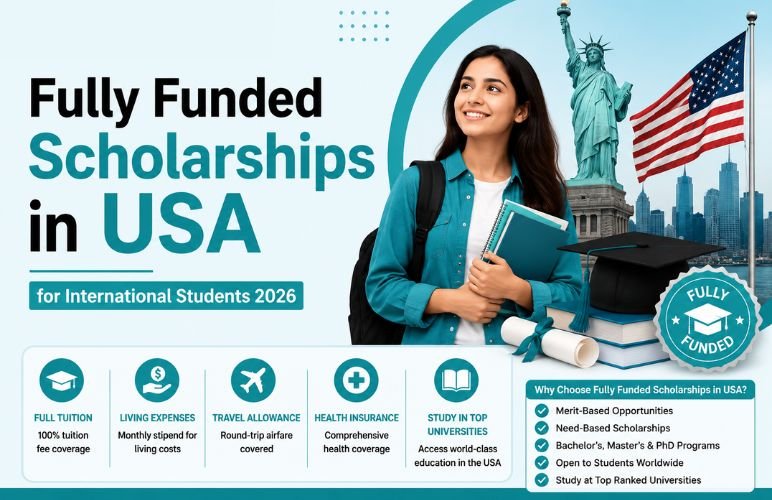
The Fulbright Program funds master’s and PhD study in the United States, covering tuition, a living stipend, airfare, and health insurance. Application timelines vary significantly by country — Nigerian applicants, for instance, typically see the process open in February with a May deadline — so African applicants should confirm their specific country’s Fulbright Commission timeline well in advance rather than relying on a single global deadline.
Swiss Government Excellence Scholarship
Switzerland’s Excellence Scholarship funds PhD and postdoctoral research at Swiss universities, covering a monthly stipend, tuition exemption, health insurance, and airfare. The program is highly selective and generally requires a Swiss host professor or institution to confirm supervision before an application can proceed, so early contact with a prospective supervisor is a critical first step for African applicants targeting this award.
Region- and University-Specific PhD Awards
Beit Trust Scholarships (Malawi, Zambia, Zimbabwe)
The Beit Trust funds master’s and PhD study specifically for applicants from Malawi, Zambia, or Zimbabwe, supporting study at leading universities in the UK, Ireland, or South Africa. Unlike many awards on this list, applicants generally need to have already secured university acceptance before applying for Beit Trust funding, so this scholarship works best as a second step after admission rather than a starting point.
Aga Khan Foundation Scholarship Program
The Aga Khan Foundation offers needs-based scholarships for master’s and PhD study to outstanding students who have no other means of financing their education. Awards are structured as fifty percent grant and fifty percent loan, and the Foundation accepts applications from a defined list of countries that includes several African nations such as Kenya, Tanzania, Uganda, Madagascar, Egypt, and Mozambique. Because funding is partly loan-based, applicants should factor in the eventual repayment obligation when weighing this award against fully-funded alternatives.
University of Edinburgh African Scholarships
The University of Edinburgh offers merit-based graduate scholarships specifically for African students pursuing master’s or PhD study, forming part of a broader trend among UK universities to build dedicated funding tracks for African applicants rather than relying solely on general international scholarship pools. Similar dedicated tracks exist at institutions including UCL and the University of Glasgow, so it’s worth checking each target university’s international scholarship page directly for Africa-specific awards before assuming only the large national programs apply.
DAAD In-Country/In-Region Scholarship Programme
This DAAD track is worth calling out separately because it funds Sub-Saharan African students to complete a PhD within their home country or in another Sub-Saharan African country, rather than requiring relocation abroad. It’s aimed at strengthening research capacity within African universities themselves, and covers preselected doctoral programs in development-related and SDG-oriented fields at partner institutions across the region.
Eligibility Basics Across Most PhD Scholarships
Requirements vary by program, but most PhD scholarships for African students in 2026 share a similar eligibility baseline:
- A completed master’s degree, or clear evidence you’ll complete one before the program’s intended start date
- A strong academic transcript, typically with above-average grades throughout your postgraduate study
- A clear, well-defined research proposal or research interest aligned with the funding body’s priority areas
- English or French language proficiency, usually demonstrated through IELTS, TOEFL, or an accepted equivalent
- Citizenship or residency in an eligible country, since several awards are restricted to specific African nations or regions
- For some programs, prior identification of a supervisor or host institution before you can formally apply
How to Build a Competitive PhD Scholarship Application
- Start at least 12 months ahead of your intended start date — many of these programs have application windows that open and close months before the academic year begins.
- Contact potential supervisors early, especially for programs like the Swiss Government Excellence Scholarship that require confirmed supervision before you apply.
- Write a research proposal that’s specific, not generic — reviewers can tell within a paragraph whether an applicant understands the field or is submitting a templated statement.
- Request recommendation letters from referees who can speak to your research capability, not just your coursework performance.
- Apply to more than one program. Layering a large fully-funded award with one or two smaller regional or university-specific scholarships increases your overall odds without extra cost.
- Track each program’s specific document requirements separately — transcripts, proposals, and reference letter formats often differ program to program, and generic submissions are a common reason strong applicants get rejected.
Common Mistakes African Applicants Make
A few mistakes show up repeatedly across PhD scholarship applications, and they’re almost all avoidable. Applicants frequently submit the same research proposal to multiple programs without adjusting it to match each funder’s specific priorities, which is often obvious to reviewers. Others miss country-specific deadlines by assuming a global date applies everywhere, when in reality many programs — Fulbright included — run separate timelines by country. Finally, some applicants overlook smaller regional or university-specific awards entirely while focusing only on famous global scholarships, missing lower-competition opportunities that could meaningfully offset costs even without full funding.
Frequently Asked Questions
Are there PhD scholarships for African students that don’t require relocating abroad?
Yes. Programs like the DAAD In-Country/In-Region Scholarship specifically fund doctoral research completed within an applicant’s home country or elsewhere in Sub-Saharan Africa, rather than requiring study overseas.
Do I need a master’s degree before applying for these PhD scholarships?
In most cases, yes. Nearly all major PhD scholarship programs require a completed master’s degree, or clear evidence that one will be completed before the doctoral program begins.
Which PhD scholarship covers the most complete funding package? [H3]
Programs like the Commonwealth PhD Scholarship, Fulbright Foreign Student Program, and Swiss Government Excellence Scholarship tend to offer the most complete packages, generally covering tuition, a living stipend, health insurance, and travel costs together.
Can I apply for more than one PhD scholarship at the same time?
Yes, and it’s generally a good strategy. Most funding bodies don’t restrict applicants from applying to multiple scholarship programs simultaneously, as long as you can meet each program’s specific documentation and deadline requirements.
Do all PhD scholarships require me to have a confirmed supervisor before applying?
No, but some do. Programs like the Swiss Government Excellence Scholarship generally expect confirmed supervision before you apply, while others, including many Commonwealth and DAAD tracks, allow you to apply before securing a supervisor, depending on the specific call.
Where to Keep Looking for New Opportunities
The scholarships listed above are strong starting points, but new PhD funding opportunities for African students open throughout the year, and many smaller awards never make it onto general scholarship lists. A few habits make a real difference here. Set up direct alerts through your target universities’ graduate admissions and funding pages rather than relying only on third-party scholarship aggregators, since university-specific awards are often announced there first. Follow your home country’s national scholarship board or ministry of education, since several African governments run their own outbound doctoral funding schemes in partnership with foreign universities. Reach out directly to academic departments in your research area — many professors know about grant-funded PhD positions tied to specific research projects well before those openings are advertised publicly. And revisit foundation-run programs like Mastercard Foundation Scholars and Aga Khan Foundation Scholarships periodically, since their partner institutions and eligible countries can shift from one intake to the next.
Final Thoughts
PhD funding for African students in 2026 spans a genuinely wide range of options, from globally prestigious awards like the Rhodes Scholarship and Commonwealth PhD Scholarships to targeted regional and in-country programs through DAAD and national foundations. The strongest approach isn’t chasing a single famous scholarship — it’s building a shortlist of three to five programs that match your field, region, and academic background, starting your applications early, and tailoring every proposal to the specific funder rather than submitting one generic version everywhere.
Begin your research now, confirm every deadline directly on the funding body’s official website, and give yourself the runway needed to submit a strong, well-documented application well ahead of your target intake.
This article reflects publicly available scholarship information as of mid-2026. Scholarship values, deadlines, and eligibility criteria change frequently — always confirm current details directly on the awarding institution’s official website before applying.


 freeman4u16